Mastering the Art of Finding a True Champion in Show Jumping
The world of equestrian sports demands precision, patience, and a deep understanding between rider and horse. When enthusiasts search for excellence in show jumping, they often aim to discover the Perfect Jumper Horse, a partner capable of blending power, agility, and trust. Every rider dreams of building a connection that turns training sessions into seamless performances, where communication feels natural and effortless. The journey toward identifying the Perfect Jumper Horse begins with understanding not only physical ability but also temperament and willingness to learn. In this article, we will explore what makes such a horse exceptional and how riders can recognize true potential from the very beginning.
What Defines a Perfect Jumper Horse
A truly outstanding show jumper is not defined by speed alone but by balance, intelligence, and responsiveness. The Perfect Jumper Horse must demonstrate natural athletic ability, especially in clearing obstacles with precision and consistency. Beyond raw talent, it should show careful attention to its rider’s cues, responding quickly while maintaining composure under pressure. Many trainers believe that mindset is just as important as muscle structure, because a horse that remains calm during competition often performs more reliably. When evaluating the Perfect Jumper Horse, professionals also look for rhythm in movement, smooth coordination, and an instinctive understanding of jumping technique that sets elite performers apart from average contenders.
Training and Development
Training plays a vital role in shaping a young horse into a competitive athlete. The Perfect Jumper Horse is not always born ready; instead, it is carefully developed through structured routines, gradual exposure to obstacles, and consistent reinforcement of good habits. Riders and trainers work together to build confidence through repetition, ensuring the horse does not become overwhelmed by complex courses. Patience is essential during this stage, as rushed training can hinder long-term performance. Over time, the Perfect Jumper Horse learns to adjust its stride, maintain focus between jumps, and recover quickly after landing, all of which contribute to success in competitive environments.
Physical and Mental Traits
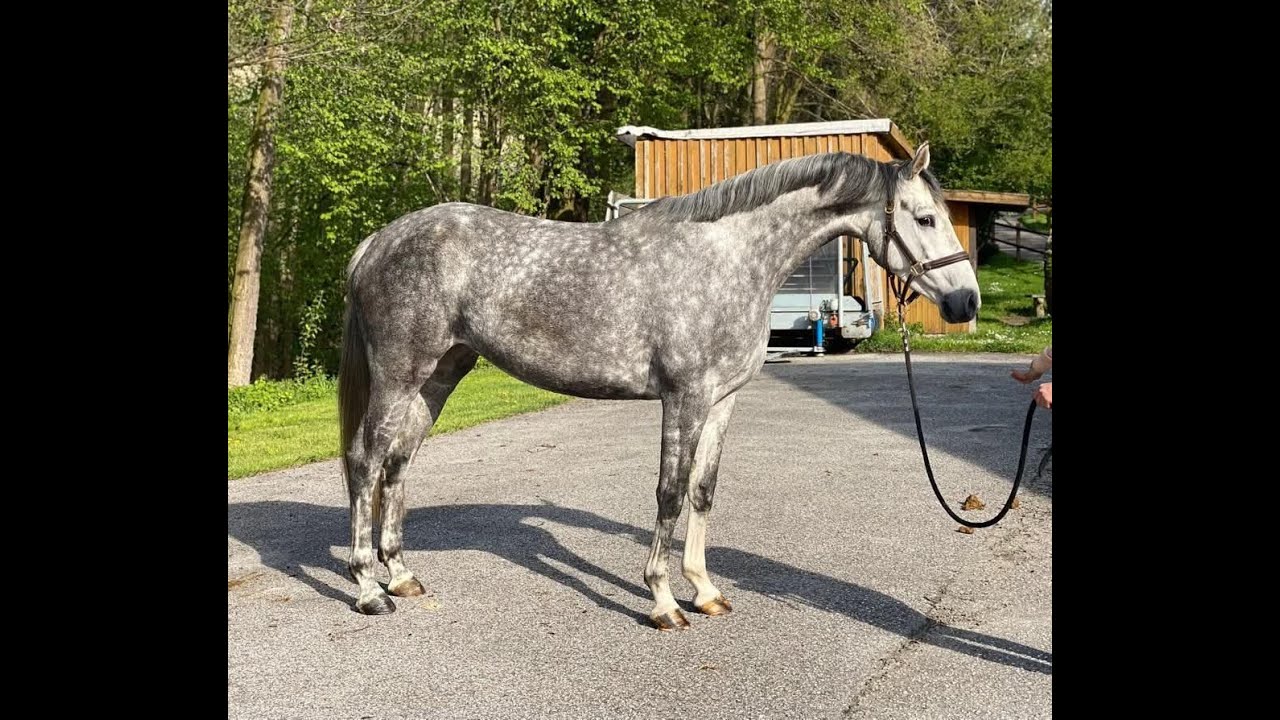
The ideal competitor must possess a combination of strength, flexibility, and mental resilience. The Perfect Jumper Horse typically has a well-balanced frame that supports explosive takeoffs and controlled landings. Strong hindquarters, an agile back, and alert eyes are often indicators of potential excellence. However, physical traits alone do not guarantee success. Mental stability is equally important, as a horse must remain focused despite loud environments, unfamiliar arenas, and competitive pressure. A confident and curious temperament allows the Perfect Jumper Horse to adapt more easily to new challenges, making it a reliable partner in both practice and competition settings.
Choosing and Evaluating One
Selecting a horse for show jumping requires careful observation and experience. Riders often spend significant time evaluating movement, reaction to commands, and behavior around obstacles before making a decision. The Perfect Jumper Horse will typically show willingness rather than resistance when approaching jumps, demonstrating both courage and intelligence. Trial sessions are essential, as they reveal how the horse performs under real conditions rather than controlled environments. Consistency is a key factor during evaluation, since even naturally talented horses must prove they can maintain performance across different courses. Ultimately, finding the Perfect Jumper Horse involves balancing instinct with practical assessment.
Care and Long-Term Performance
Maintaining peak performance requires ongoing care, discipline, and attention to detail. A well-conditioned athlete must follow a structured routine that includes proper nutrition, rest, and regular training adjustments. The Perfect Jumper Horse thrives when its physical and emotional needs are met consistently, allowing it to perform at its best over time. Recovery periods are just as important as active training, as they help prevent fatigue and injury. Riders who invest in long-term care often find that their Perfect Jumper Horse develops greater endurance, stronger trust, and improved performance stability throughout its competitive career.
Conclusion
Achieving success in show jumping is a journey built on dedication, knowledge, and partnership between horse and rider. The Perfect Jumper Horse represents more than athletic ability; it symbolizes trust, communication, and shared ambition. By understanding traits, investing in proper training, and maintaining consistent care, riders can develop a bond that leads to exceptional performance. Every step taken in selection and development brings them closer to working with the Perfect Jumper Horse, a true partner capable of excelling in the most demanding competitive arenas.
