Inside the Dynamic World of Global Horse Trading
Global Horse Trading has evolved into a powerful international industry that connects breeders, buyers, trainers, and investors across continents. What was once a local exchange based on community networks has transformed into a borderless marketplace driven by digital platforms, international competitions, and growing demand for elite bloodlines. Horses now move seamlessly between countries for racing, show jumping, dressage, endurance riding, and breeding, making the industry more dynamic than ever before.This expansion is fueled by rising interest in equestrian sports worldwide. Nations in Europe, the Middle East, North America, and parts of Asia actively invest in horse development, increasing both supply and demand. Wealthy owners now seek champion bloodlines from distant countries, while breeders enjoy broader access to global buyers. As transportation becomes safer and regulations more standardized, Global Horse Trading continues to grow into a truly connected ecosystem.
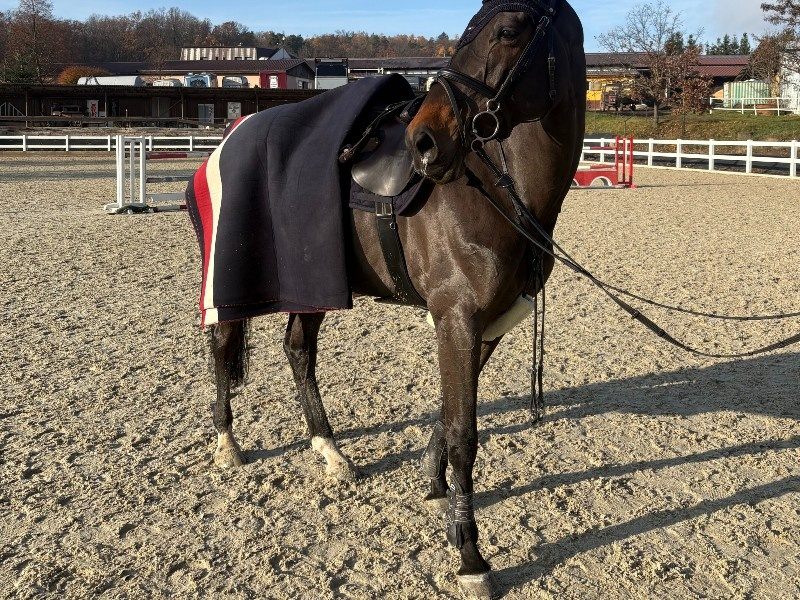
How International Markets Shape Horse Value
The value of a horse in Global Horse Trading is influenced by far more than physical appearance or temperament. Bloodlines, training history, performance records, age, and genetic health all shape price expectations across international markets. A young racehorse bred in Ireland may attract buyers from Dubai or the United States, while a European show jumper may find its next career in Asia.Market preferences also vary widely across regions. Some buyers prioritize speed and race potential, while others focus on temperament and movement for competitive riding disciplines. Currency exchange rates, economic stability, and local demand further influence pricing structures. A horse that may be considered moderately priced in one country can carry premium value in another due to scarcity or specialized demand.
The Digital Transformation of Global Horse Trading
Technology has reshaped Global Horse Trading into a faster, more transparent, and more accessible marketplace. Online auction platforms, virtual inspections, high-definition performance videos, and digital veterinary records allow buyers to assess horses without immediate physical presence. This digital accessibility enables small breeders to reach international buyers while giving investors real-time insights into worldwide opportunities.Social media also plays a crucial role by turning elite horses into global brands. Trainers and stables showcase daily progress, competition highlights, and training routines, building trust and visibility among buyers. Blockchain technology is beginning to enter the industry as well, offering secure documentation for ownership transfers and breeding rights. As digital tools continue to advance, Global Horse Trading becomes increasingly efficient and globally interconnected.
Logistics, Regulations, and Veterinary Standards Worldwide
Global Horse Trading depends on strict logistical and veterinary oversight to ensure animal safety and legal compliance. Horses must undergo extensive health screenings, vaccination checks, and documentation before crossing borders. International transport requires specialized cargo aircraft, climate-controlled shipping environments, and professional handlers to minimize travel stress and injury risks.Regulatory organizations collaborate internationally to enforce quarantine standards and disease prevention. These measures protect both horses and local breeding industries from potential outbreaks. The cost and complexity of international transport add another layer of investment consideration, yet this system ensures the ethical and safe movement of horses in the global marketplace. As nations continue harmonizing veterinary standards, the process grows more streamlined with each passing year.
Economic Impact and Investment Potential
Global Horse Trading plays a significant role in the world economy, contributing to agriculture, sports, tourism, and luxury markets. Breeding farms generate ongoing revenue through stud services, sales, and training contracts. International competitions stimulate tourism and regional development, drawing spectators, sponsors, and media coverage across borders.For investors, Global Horse Trading offers long-term potential when managed strategically. Well-bred horses with elite training can appreciate significantly in value as their competitive records grow. However, the market also carries risk tied to performance unpredictability, health, and shifting buyer trends. Understanding bloodlines, market movements, and professional training systems becomes essential for those seeking financial success within the industry.
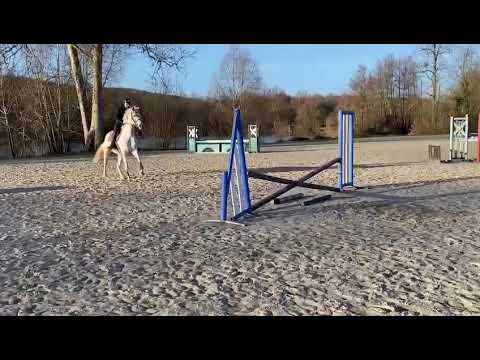
Conclusion: The Future Direction of Global Horse Trading
Global Horse Trading stands at the crossroads of tradition and innovation, blending centuries-old breeding expertise with modern technology, international logistics, and global investment strategies. As equestrian sports continue gaining popularity worldwide, the demand for premium horses will only increase. Digital platforms will further remove geographical barriers, making it easier for buyers and sellers to connect instantly across continents.Sustainability, animal welfare, and ethical breeding practices will shape the next phase of Global Horse Trading. Buyers now pay closer attention to humane training methods and long-term horse health rather than short-term performance alone. With stronger regulations, improved transparency, and rising global collaboration, the industry moves toward a future that balances commercial growth with responsible equestrian care. Global Horse Trading is no longer just about selling horses—it is about building a worldwide network of performance, trust, and shared passion.
