A Complete Guide to Choosing the Right Horse for Your Journey
Choosing a horse is a meaningful decision that requires patience, knowledge, and a clear understanding of your personal goals. Every rider has different expectations, whether they want a companion for leisure riding, competitive events, professional training, or simply a deeper connection with an animal. Before beginning your search, you should consider your riding experience, preferred discipline, lifestyle, and long-term plans. When you want to Find Your Horse, the first step is recognizing what type of partnership you hope to build.A horse is more than a riding animal because it becomes a trusted partner that responds to your communication, care, and dedication. Beginners may need a calm and experienced horse that provides confidence, while advanced riders may look for a horse with specific abilities and athletic potential. Understanding these differences helps you avoid making a rushed decision and allows you to focus on compatibility.Your available time and resources also influence your choice. Horses require regular care, attention, training, and commitment. A suitable horse should match your daily routine and future expectations. By creating a clear picture of your ideal partnership, you can approach the selection process with confidence and make a thoughtful choice that benefits both you and the horse.
Learning About Horse Breeds and Their Unique Qualities
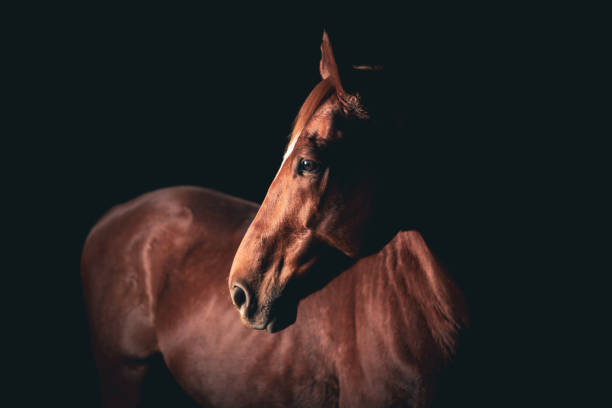
Horse breeds have different characteristics that affect temperament, appearance, movement, and performance. Some breeds are known for their speed and energy, while others are valued for their calm nature and reliability. Learning about these qualities can make your search more effective because you will understand which horses may fit your needs.When you Find Your Horse, researching breed backgrounds can help you identify important traits. For example, certain breeds are popular in jumping competitions because of their athletic ability, while others are preferred for trail riding because of their endurance and steady behavior. However, individual personality often matters more than breed alone because every horse has its own experiences and character.Age is another important factor when selecting a horse. Younger horses may have great potential but often require experienced handling and additional training. Older horses may provide stability and confidence because they usually have more experience with riders and different environments. The right choice depends on your skills and the type of relationship you want to develop.Understanding these details allows riders to appreciate the differences among horses instead of focusing only on appearance. A beautiful horse may not always be the best match, but a horse with the right personality and abilities can create a rewarding experience for many years.
Building a Strong Connection Through Proper Evaluation
A successful horse partnership begins with careful evaluation. Meeting a horse in person allows you to observe its behavior, reactions, and overall personality. Spending time with a horse before making a decision helps you understand whether your communication styles and energy levels are compatible.The process to Find Your Horse should include observing how the horse interacts with people, responds to instructions, and behaves in different situations. A professional evaluation or guidance from an experienced trainer can provide valuable insight, especially for riders who are purchasing a horse for the first time.Health and training history are also essential considerations. A horse’s physical condition, previous experience, and current training level can influence your future relationship. Asking questions about care routines, medical records, and past performance helps you make an informed decision.Trust develops gradually between a rider and a horse. A strong bond comes from consistent care, respectful communication, and understanding. The right horse will not only meet your practical needs but also create a sense of connection that makes every riding experience more enjoyable.
Preparing for Long-Term Horse Ownership
Owning a horse requires dedication beyond the initial purchase. Proper preparation ensures that your horse receives the care and attention it deserves. Before bringing a horse home, riders should understand responsibilities related to feeding, grooming, exercise, veterinary care, and general maintenance.Many people focus on the excitement of ownership but underestimate the commitment involved. A horse depends on its owner for safety, comfort, and health. Creating a reliable care routine helps establish stability and supports the horse’s physical and emotional well-being.Finding the right facilities is another important part of preparation. A suitable environment should provide enough space, quality care, and safe conditions. Whether you choose a private stable or a professional boarding facility, the location should support the horse’s needs and your ability to remain involved.Financial planning also plays a major role. Expenses can include food, equipment, training, healthcare, and regular maintenance. Responsible owners understand these commitments and prepare accordingly. A well-planned approach creates a healthier relationship and reduces challenges in the future.
Exploring Opportunities With Professional Horse Platforms
Modern technology has transformed how riders search for horses. Online platforms, professional networks, and equestrian communities allow buyers to explore many opportunities from different locations. These resources make it easier to compare options, learn about horses, and connect with trusted sellers.When riders want to Find Your Horse through professional channels, they can access detailed information about training, experience, and background. Reliable platforms often provide photos, videos, and descriptions that help buyers understand a horse before arranging a meeting.However, online research should always be combined with personal evaluation. Digital information can introduce potential matches, but meeting the horse and assessing compatibility remains essential. A careful approach protects buyers and ensures that the final decision is based on genuine understanding.Working with experienced professionals can also simplify the process. Trainers, agents, and knowledgeable equestrians can offer advice based on years of experience. Their guidance can help riders recognize important details and avoid common mistakes during the selection journey.
Conclusion: Creating a Lasting Partnership With Your Ideal Horse
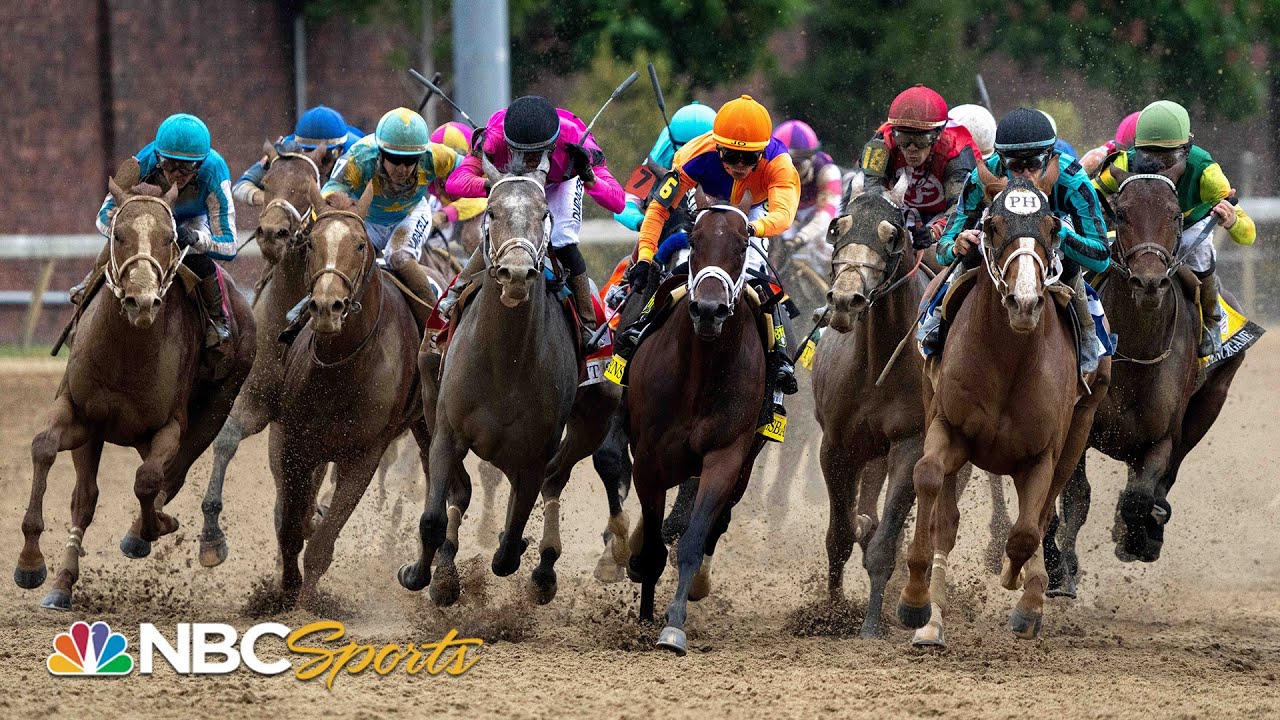
Finding the right horse is a personal journey that combines research, patience, and emotional connection. A successful partnership does not happen instantly because trust and understanding develop through time and consistent effort. Riders who carefully consider their goals, lifestyle, and experience level are more likely to create a rewarding relationship.The journey to Find Your Horse is about discovering a companion that matches your ambitions and personality. The perfect horse is not simply defined by appearance, age, or achievements. Instead, it is the horse that works naturally with you and supports your growth as a rider.Every horse has a unique story, and every rider has different dreams. Taking the time to learn, evaluate, and prepare creates the foundation for a meaningful equestrian experience. With dedication and respect, the relationship between horse and rider can become one of the most fulfilling connections in the equestrian world.A thoughtful approach will help you Find Your Horse and begin a journey filled with trust, learning, and unforgettable memories. The right partnership can inspire confidence, improve skills, and create a lifelong appreciation for these remarkable animals.
